
The Ultimate Guide to SEO Marketing: How to Boost Visibility & Drive Organic Growth
In today’s digital world, every business aims to appear on the first page of Google—and SEO Marketing is the key to making that happen. SEO (Search Engine Optimization) is the process of improving your website’s visibility so that it ranks higher in search engine results. Unlike paid ads, which stop working when the budget ends, SEO delivers long-term, sustainable growth through organic traffic.
SEO Marketing helps businesses connect with people who are actively searching for their products or services, making it one of the most cost-effective digital marketing strategies.
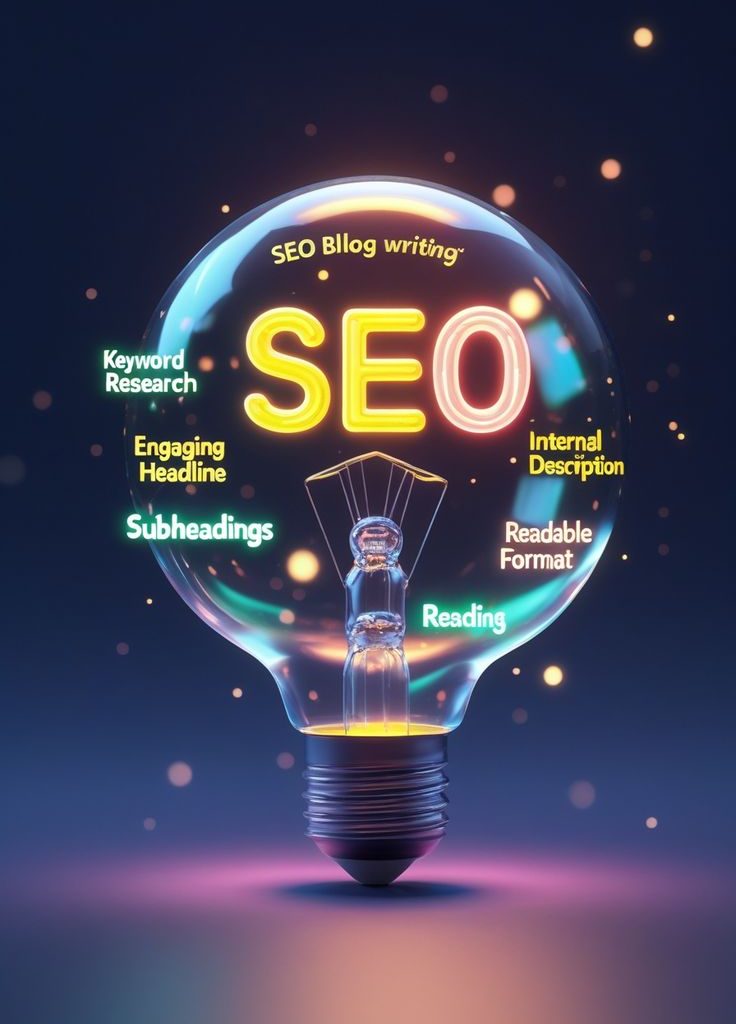
What Is SEO Marketing?
SEO Marketing involves optimizing your website and content to increase visibility on search engines like Google, Bing, and Yahoo. It includes techniques that help search engines understand your website better and rank it higher.
SEO Marketing has three major components:
1. On-Page SEO
- Optimizing keywords
- Writing effective title tags & meta descriptions
- Improving content quality
- Enhancing URL structure
- Using header tags and internal links
2. Off-Page SEO
- Backlink building
- Guest posting
- Social signals
- Brand mentions
3. Technical SEO
- Page speed optimization
- Mobile friendliness
- Site architecture
- XML sitemaps
- Schema markup
Why SEO Marketing Matters
SEO Marketing is essential for businesses because:
1. Drives High-Quality Organic Traffic
People who find you through search engines already have intent, making them more likely to convert.
2. Increases Brand Visibility & Credibility
Higher rankings create trust and improve brand reputation.
3. Cost-Effective Compared to Paid Ads
SEO delivers long-term results without constant spending.
4. Improves User Experience
Fast loading, mobile optimization, and easy navigation improve customer satisfaction.
5. Helps You Stay Competitive
Businesses ranking higher capture more leads, sales, and brand authority.
How SEO Marketing Works
SEO Marketing works by helping search engines understand your content, determine its relevance, and decide how high it should appear in search results.
Step-by-Step Process:
1. Keyword Research
Identify what your target audience is searching for.
2. Content Creation
Produce high-quality, informative, and engaging content around those keywords.
3. On-Page Optimization
Use keywords naturally in titles, headings, meta descriptions, and content.
4. Technical Enhancements
Fix site speed, mobile issues, crawl errors, and improve site structure.
5. Building Backlinks
Gain links from reputable websites to increase authority.
6. Monitor & Improve
Use analytics tools to track performance and optimize continuously.
Best Practices for SEO Marketing Success
✔ Publish high-quality, user-focused content
✔ Use long-tail keywords for easier ranking
✔ Optimize images, URLs, and internal links
✔ Keep your site fast and mobile-friendly
✔ Update old content to stay relevant
✔ Earn high-quality backlinks
✔ Use analytics to guide your strategy
Future Trends in SEO Marketing
SEO continues to evolve with new technologies and user behavior. Here are key trends shaping the future:
- AI and machine learning in search
- Voice search optimization
- Visual search using images
- E-E-A-T (Experience, Expertise, Authority, Trust)
- Mobile-first indexing
- Personalized search results
Businesses that adapt to these changes will stay ahead in rankings and visibility.
Conclusion
SEO Marketing is more than just keywords—it’s a strategic approach that strengthens your brand’s online presence, attracts quality traffic, and drives measurable business growth. With the right combination of on-page optimization, content strategy, technical improvements, and backlinks, SEO can transform your digital success.
Whether you’re a small business, freelancer, or large brand, investing in SEO today ensures long-term visibility tomorrow.